

Welding and additive manufacturing control by vision
Welding processes (MAG, MIG, TIG) and laser manufacturing (3D printing, part reloading) are increasingly using visible and infrared vision systems. Whether it is a question of checking an alignment (seam tracking) or checking the melting and/or cooling parameters of the weld pool or the heat-affected zone, cameras coupled with “computer vision” or artificial intelligence algorithms are becoming essential to ensure the traceability and quality of the work carried out. The following publication describes several solutions:
Radiation-resistant camera
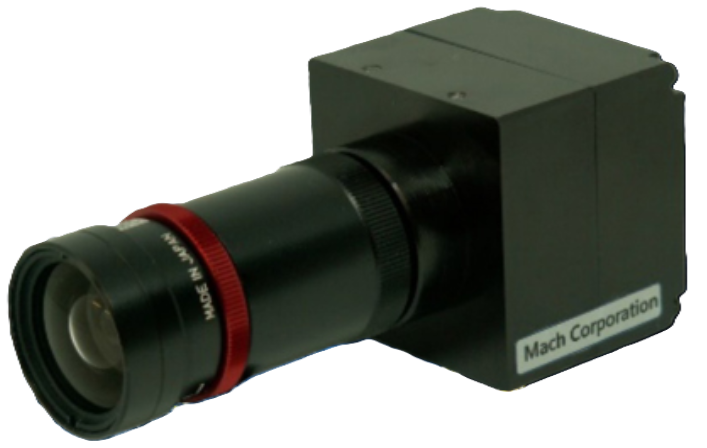
INNOVIDEA’s partner company, Mach Corporation, has developed a visible-light VGA camera module (728×728 pixels with a 12-µm pixel pitch, available in monochrome or color) called the Type-S, which is highly resistant to high-radiation environments (gamma rays, protons, etc.), equipped with a CMOS sensor developed jointly with JAXA to be radiation-resistant and affordable.
Lightweight (200 grams) and compact (46x46x50 mm without the lens), it is suitable for a wide variety of applications (space, nuclear, etc.).
Powered by 12V DC and featuring optics that do not darken, the basic camera module can capture images at 20 Hz while withstanding doses of 3,000 Gy/hour, for a total cumulative capacity of 2 MGy. The maximum cable length to the controller is 50 meters.
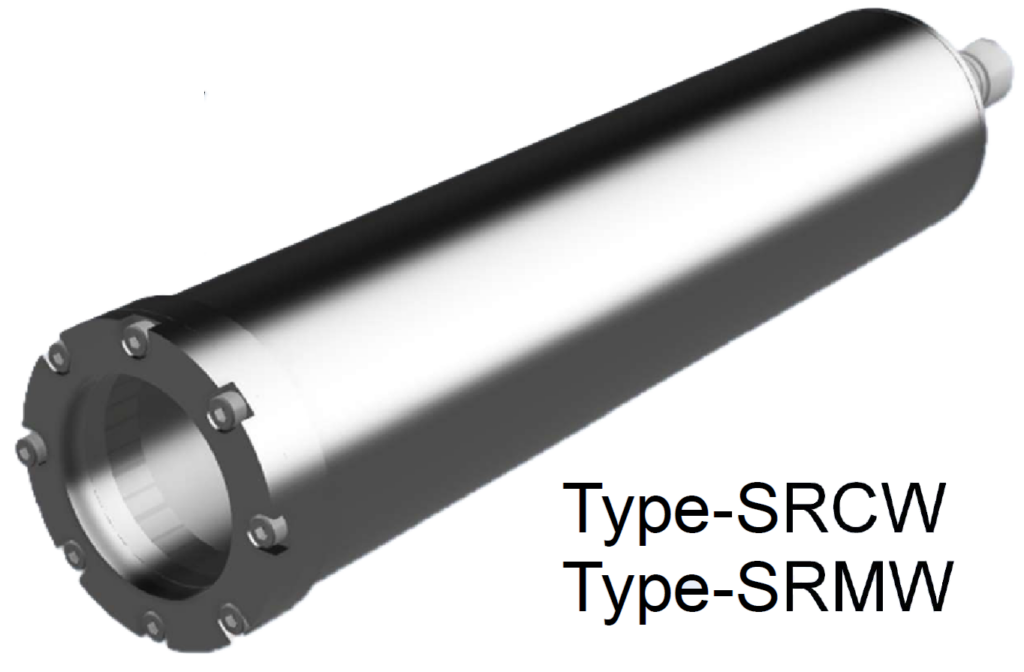
A fully enclosed camera is available in a cylindrical IP68 version (74 mm in diameter and 313 mm in length, excluding the connector; weight: 2.5 kilograms) with a 4x optical zoom. This camera is available in an analog version (NTSC at 640×480 pixels) or a digital version (CameraLink, Ethernet LAN), designed for submersion in water up to 50 meters.
Automated control of buildings or sites by drone
The emergence of automated vehicles, particularly in the field of UAVs, opens up prospects for regular monitoring and maintenance with less risks exposure for human. Non-contact measurement, in particular by optical devices (cameras, laser-based instruments) is an area that will benefit from the deployment of this type of carrier. Several solutions are illustrated in the following publication: